Laminitis remains one of the most serious and feared conditions in horses and ponies, yet many owners are surprised to learn that body fat itself can play a direct role in triggering it. Not all fat behaves the same way, and understanding the difference between “good” and “bad” fat is essential for preventing this painful and potentially life-threatening disease.
This blog explains why certain fat deposits become dangerous, how they damage the laminae, and what practical steps you can take to reduce your horse’s risk.
The Science: Good Fat vs Bad Fat
All animals—including humans and horses—carry two broad types of fat:
- Good fat
- Bad fat, which produces inflammatory toxins capable of damaging tissues elsewhere in the body
In humans, abdominal fat is the harmful type. The toxins it produces are linked to cardiovascular disease, and the more abdominal fat present, the higher the risk of heart problems.
Horses Are Different
In horses, the situation is reversed:
- Abdominal fat is “good” fat and does not produce harmful toxins.
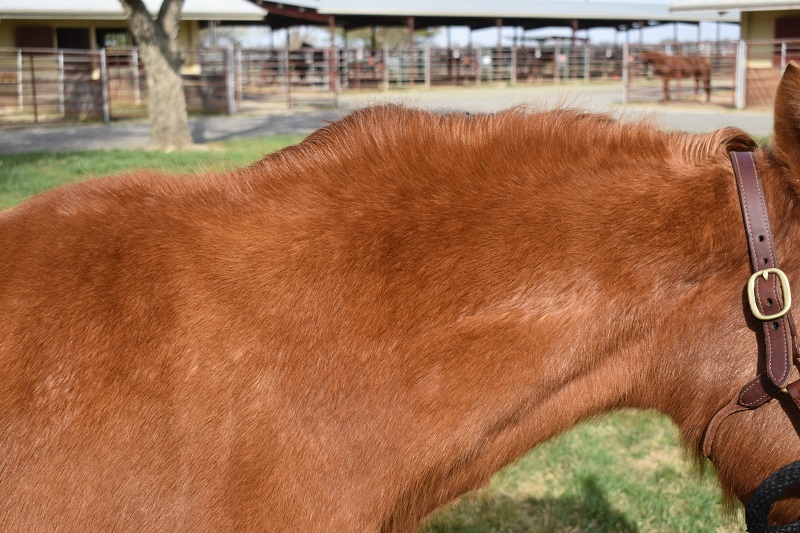
- Peripheral fat is “bad” fat—this is the fat stored in the familiar fat pads, including:
- The crest
- Behind the shoulder
- Along the loins
- Around the tail head
These fat pads produce toxins that circulate through the body. Instead of damaging the heart (as in humans), these toxins target the laminae—the delicate structures that suspend the pedal bone within the hoof. When overwhelmed, the laminae weaken, inflame, and fail, resulting in laminitis.
Why Long-Term Fat Storage Increases Risk
Fat becomes more toxic the longer it remains stored. This means horses who gradually accumulate fat year after year—adding new fat on top of old—are at the highest risk.
By contrast, horses who follow a natural seasonal cycle of:
- Gaining weight in summer, and
- Losing weight in winter
are far less likely to develop laminitis. Their fat does not remain in place long enough to become toxic.
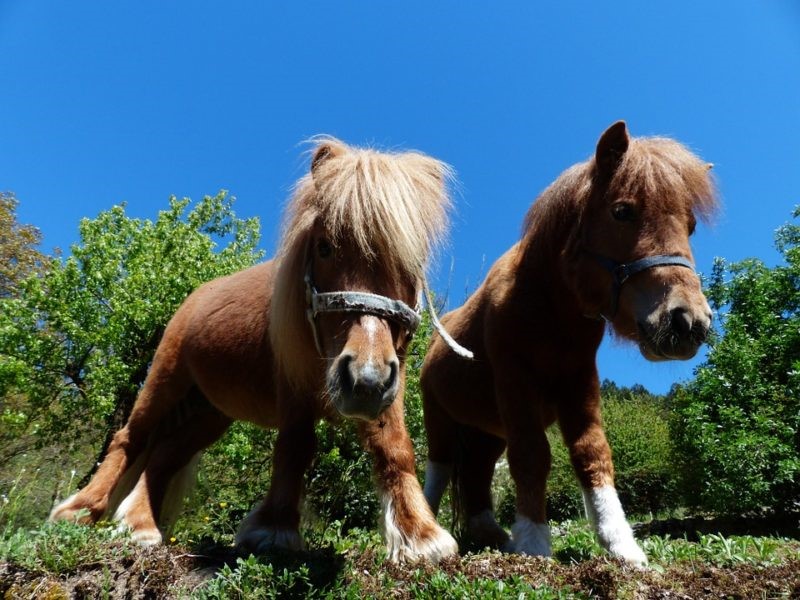
This pattern is clearly seen in native New Forest ponies living on the moors. They become plump in summer and very lean in winter—yet laminitis is extremely rare in these populations.
Practical Tips to Reduce Toxic Fat and Prevent Laminitis
Below are evidence-based strategies to help keep your horse healthy and reduce laminitis risk.
• Use Winter Wisely - Winter is your best ally if you own a good-doer. Allowing natural weight loss during colder months prevents fat from becoming toxic.
• Assess Fat Pads Critically - Feel the crest, shoulders, loins, and tail head. If fat pads are present now, aim for them to be reduced by spring. Photograph and weight-tape regularly to monitor progress.
• Avoid Over-Rugging - Over-rugging prevents natural calorie use and contributes to obesity. Allow your horse to feel the cold appropriately so they burn fat as nature intended. Over-rugging is increasingly recognised as a welfare concern in UK horses.
• Feed According to Need - Avoid increasing feed simply because “it’s winter.” Modern UK winters are mild, and many horses do not require extra calories. Increase feed only if your horse is genuinely losing too much weight.
• Manage Sugar Intake - Grass and hay are major sugar sources. Soaking hay for a minimum of 2 hours significantly reduces sugar content and can dramatically improve weight control and metabolic health. Restrict grass where possible.
Final Thoughts
Understanding the role of toxic fat is key to preventing laminitis. By managing fat pads, embracing natural seasonal weight changes, and making thoughtful feeding and rugging decisions, you can dramatically reduce your horse’s risk.
At Avonvale Veterinary Practice Limited, we are always here to support you. If you are concerned about your horse’s weight, metabolic health, or laminitis risk, please contact our team for personalised advice.
Register Your Horse/s At Avonvale Equine
If you are looking for an equine vet for your horse/s that delivers high quality routine and 24/7 in-house emergency care, why not get in touch with us? We look after all types of horses, ponies, donkeys and mules within our coverage area, which includes large parts of Oxfordshire, Warwickshire, Northamptonshire, Birmingham, The Midlands as well as areas of Worcestershire, The Cotswolds, and Gloucestershire.
Our experienced and skilled equine vets are passionate about helping both commercial and individual owners look after their equines excellent equine veterinary care, which includes the identification and treatment of sarcoids.
To register your horse with us, complete our new client registration form online or call our practice on 01295 670 501.








.jpg)