Sweet itch, sometimes known as Summer Seasonal Recurrent Dermatitis or Equine Insect Bite Hypersensitivity, is a very common and irritating allergic skin condition. It can affect any horse, pony or donkey. It is caused by the immune system’s extreme reaction to the saliva of biting insects (most commonly midges in the UK). This allergic reaction happens when the horse’s immune system attacks its own cells in response to the protein in the saliva of biting insects. Whilst sweet itch can affect any horse or pony, it can also be genetic. Native ponies, for example, have been found to be at an increased risk of sweet itch.
It is important to know that sweet itch is non-contagious, is not caused by poor management and is usually very seasonal and often reoccurs every year. If a horse develops sweet itch it is generally a lifelong condition requiring careful treatment and management.
The equine vets at Avonvale Equine Vet Practice are experienced at diagnosing, treating and advising on the management of sweet itch. If your horse is within our coverage area, which includes most of Oxfordshire, Warwickshire, Northamptonshire parts of Gloucestershire, Worcestershire, Birmingham, The Midlands and The Cotswolds, we can help you with sweet itch.
In this article, we explain what sweet itch in horses is, the key symptoms, commonly affected areas, why some horses are more affected and its diagnosis, treatment and management including which common mistakes horse owners make.
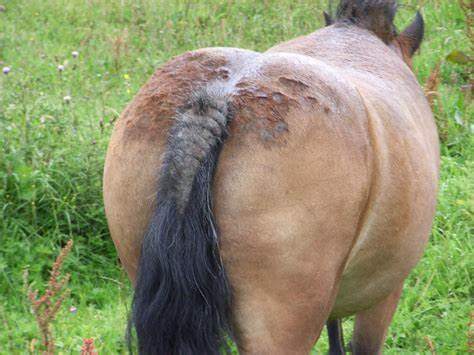
Sweet Itch Symptoms
Sweet itch symptoms can vary in severity from horse to horse. Sweet itch usually follows a consistent pattern, flaring up in spring and worsening through summer.
The most common sweet itch symptoms include:
- Excessive itching
- Hair loss where the horse has been bitten
- Excessive grooming
- Vigorous tail swishing
- Excessive rolling
- Head shaking and restlessness
- Changes in behaviour - for example lethargy, agitation, irritability, impatience
In chronic sweet itch cases, a horse’s skin may become leathery and permanently damaged.
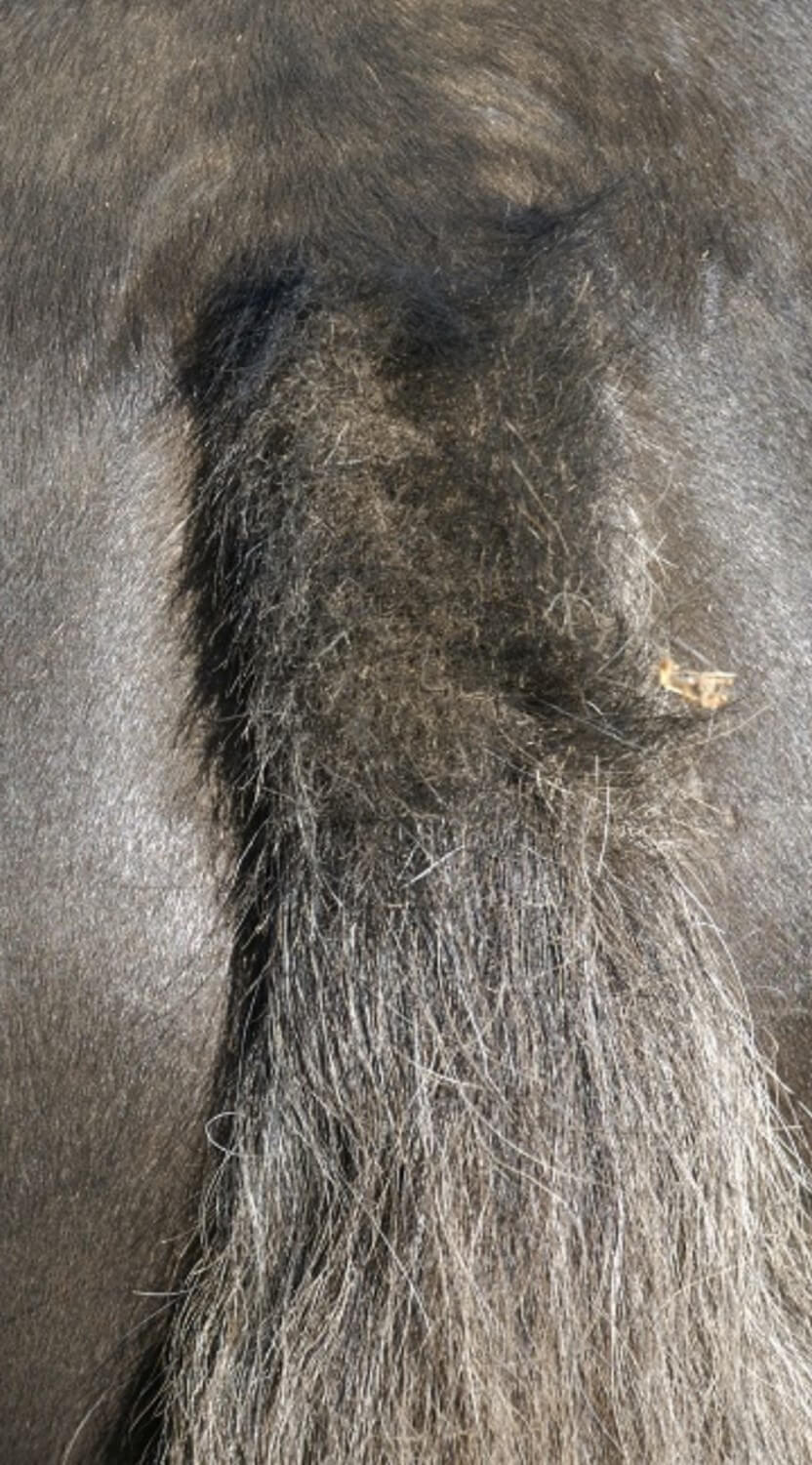
Commonly Affected Areas On A Horse
While horses can develop sweet itch in a number of different areas, the following areas are the most commonly affected areas on a horse:
- Mane and crest
- Tail head
- Withers
- Belly line
- Ears and face
These areas are worth monitoring for signs of sweet itch, particularly during the spring and summer when it is most prevalent.
Why Some Horses Are More Affected By Equine Sweet Itch
Fortunately, not all horses react to midge bites. Some horses appear naturally resistant to equine sweet itch, while others are highly sensitive. This is much in the same way that not all people are sensitive to insect bites.
There are a number of horse breeds that are more genetically predisposed to sweet itch and tend to be more affected by bites including:
- Native ponies
- Icelandic horses moved to midge-heavy environments
- Welsh and Shetland types
Equine genetics are likely to play a key role in determining how sensitive each horse is to sweet itch. Horses imported from countries with fewer biting midges often develop sweet itch after relocation because they have had little prior exposure.
However, that being said, the role of environmental factors cannot be disregarded. Horses kept near the following are at greater risk because midges thrive in damp and calm conditions:
- Standing water
- Marshy ground
- Dense hedges
- Still, sheltered paddocks
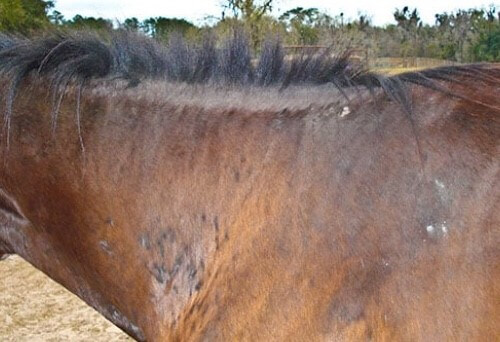
Diagnosis of Sweet Itch
A diagnosis of sweet itch is usually confirmed based on the clinical signs (seasonal recurrence), lesion distribution and response to insect control measures. Intradermal allergy testing and serum testing can also support a sweet itch diagnosis but are not always definitive.
Sweet Itch Treatment For Horses
While there is no cure for sweet itch, there are a number of sweet itch treatments that are available for horses. By treating the condition, it is possible to reduce the symptoms and make your horse more comfortable.
Steroids
Steroids can offer short-term relief from itching so they are able to be more comfortable. They are a popular sweet itch treatment as they can provide immediate relief from what can be an irritating and uncomfortable condition for horses that are sensitive to midges bites. However, side effects should be considered, especially if steroids are going to be used as long-term treatments.
Anti-Itch Treatments
Anti-itch treatments can also be used to reduce sweet itch symptoms in horses. Common anti-itch options include specialist equine shampoos and creams.
Humectant & Emollient Sprays
Humectant and emollient sprays can also help horses that are living with sweet itch. Humectant spray can help soothe the top layer of skin, while emollients are oil-based solutions which prevent water loss. This will help to prevent the skin from drying out.
Sweet Itch Management
The mainstay for controlling sweet itch in horses is management. Managing sweet itch focuses on reducing insect exposure to try and prevent/limit horses from being bitten by the offending midges in the first instance. Early intervention in spring is critical as sweet itch tends to worsen in the summer.
Starting with rugs and insect control before midges emerge can help as a first step in effective sweet itch management.
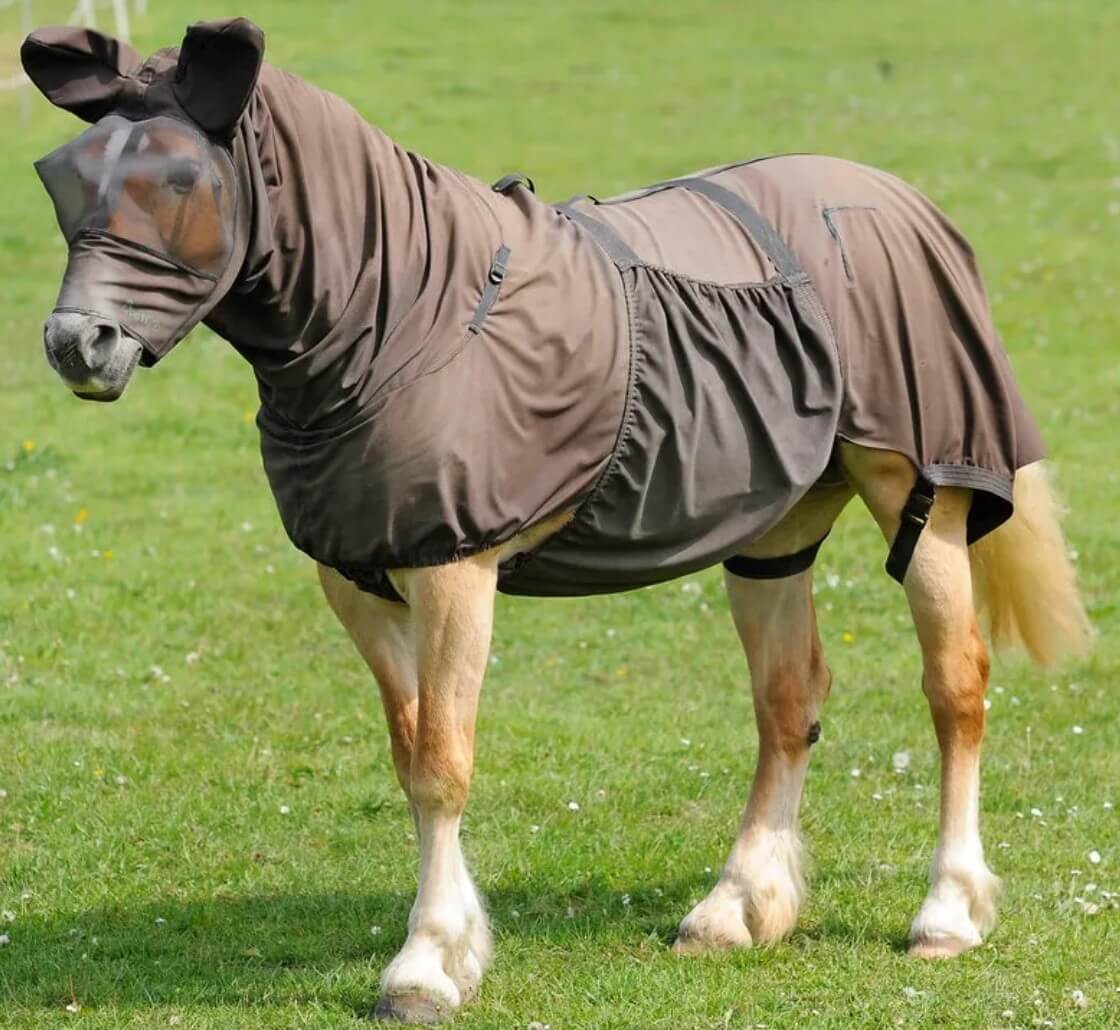
- Use sweet itch rugs with belly and neck coverage to be worn 24/7
- Stable horses at dawn and dusk (when midges are most active)
- Avoid turnout near standing water (where midges are most prevalent)
- Choose windy paddocks (midges are weak fliers)
- Install ceiling fans
- Install insect proof mesh on the windows of your stables
- Use fly repellent - There’s a huge number of brands available on the market, both in spray and cream form. Anti-itch cream can help soothe affected areas, while a strong fly spray can prevent midges from biting
- Use insecticide sprays periodically on a horse and its rugs to reduce fly contact. Deosect is one suitable spray which can be obtained from your equine vet
- Consider the Insol Vaccine - In recent years the vaccine for ringworm has been administered to horses with sweet itch ahead of the midge season. This vaccine appears to reduce sweat itch symptoms in some horses, even though it was not the original intended purpose of the vaccine
When To Call The Vet
Although equine sweet itch can be managed, sometimes intervention from an equine vet is required.
Contact your equine vet if:
- Your horse develops open wounds
- The skin becomes infected (oozing, swelling, heat)
- Rubbing is severe despite rugging
- You’re unsure whether it’s sweet itch or another skin condition
If you are unsure or concerned about sweet itch in your horse, contact your equine vet. If you are within our coverage area, contact our friendly reception team on 01295 670 501 to arrange a visit from one of our equine vets.
Common Mistakes Owners Make
As sweet itch can be a less serious condition for some horses, in practice we see some horse owners make a number of mistakes which can make sweet itch more severe for affected horses.
Common mistakes that we see include:
- Waiting until rubbing starts before rugging
- Removing rugs during “low midge” days
- Turning out near standing water
- Relying only on creams without controlling insects
- Assuming a horse/s will “grow out of it”
Equine sweet itch rarely disappears with age. Early, proactive management leads to the best outcomes for equines and their owners.
Sweet Itch Supplements
Many horse owners explore nutritional support as part of sweet itch management. Common sweet itch supplements include:
- Omega-3 fatty acids
- Linseed oil
- Brewer’s yeast
- Commercial skin supplements
The scientific evidence surrounding sweet itch supplements is mixed. Some horses appear to improve, possibly due to the anti-inflammatory effects of certain oils, but supplements should support and not replace proper midge control as part of sweet itch management.
If you are trying your horse on a sweet itch supplement, it is recommended to allow for several weeks of treatment before you assess the results.
When To Call The Vet
While sweet itch supplements can improve a horse's symptoms, they are no substitute for high quality equine veterinary care.
Contact your equine vet if:
- Your horse develops open wounds
- The skin becomes infected (oozing, swelling, heat)
- Rubbing is severe despite rugging
- You’re unsure whether it’s sweet itch or another skin condition
If you are unsure or concerned about sweet itch in your horse, contact your equine vet. If you are within our coverage area, contact our friendly reception team on 01295 670 501 to arrange a visit from one of our equine vets.
Managing Sweet Itch In Horses
Sweet itch can be frustrating, time-consuming, and sometimes expensive to manage in horses. However it is not a hopeless condition as there are a number of sweet itch treatments and management options available.
The key principles for managing sweet itch in horses are simple:
- Start early
- Prevent bites
- Stay consistent
When you have effective planning and vigilance for sweet itch in place, your horse/s can enjoy the warmer months in comfort and you can enjoy them too, without worrying about raw manes and sore tails.
Diagnosis And Treatment Of Sweet Itch In Horses At Avonvale Equine
At Avonvale Equine, our equine vets are experienced at diagnosing and treating sweet itch in equines. If your horse is showing the four ‘When to call the vet’ symptoms or you are concerned about your horse and you are within our coverage area, please contact us on 01295 670 501 to speak to one of our reception team or equine vets.
Our coverage area includes large parts of Oxfordshire, Warwickshire, Northamptonshire, Birmingham, The Midlands as well as areas of Worcestershire, The Cotswolds, and Gloucestershire.
Our experienced equine vets are always happy to provide advice on managing sweet itch for registered clients. As a practice we are passionate about delivering high standards of client care to equines and their owners. Good management practices have an important role to play in reducing insect exposure that can lead to a horse developing sweet itch.
Register Your Horse/s At Avonvale Equine
If you are looking for a new equine vet for your horse/s that delivers excellent routine and 24/7 in-house emergency care, why not get in touch with us?
Our experienced and skilled equine vets are passionate about helping both equine businesses and individual owners look after their equines through delivering the highest standards of equine healthcare.
To register your horse with us, complete our new client registration form online or call our practice on 01295 670 501.












.jpg)