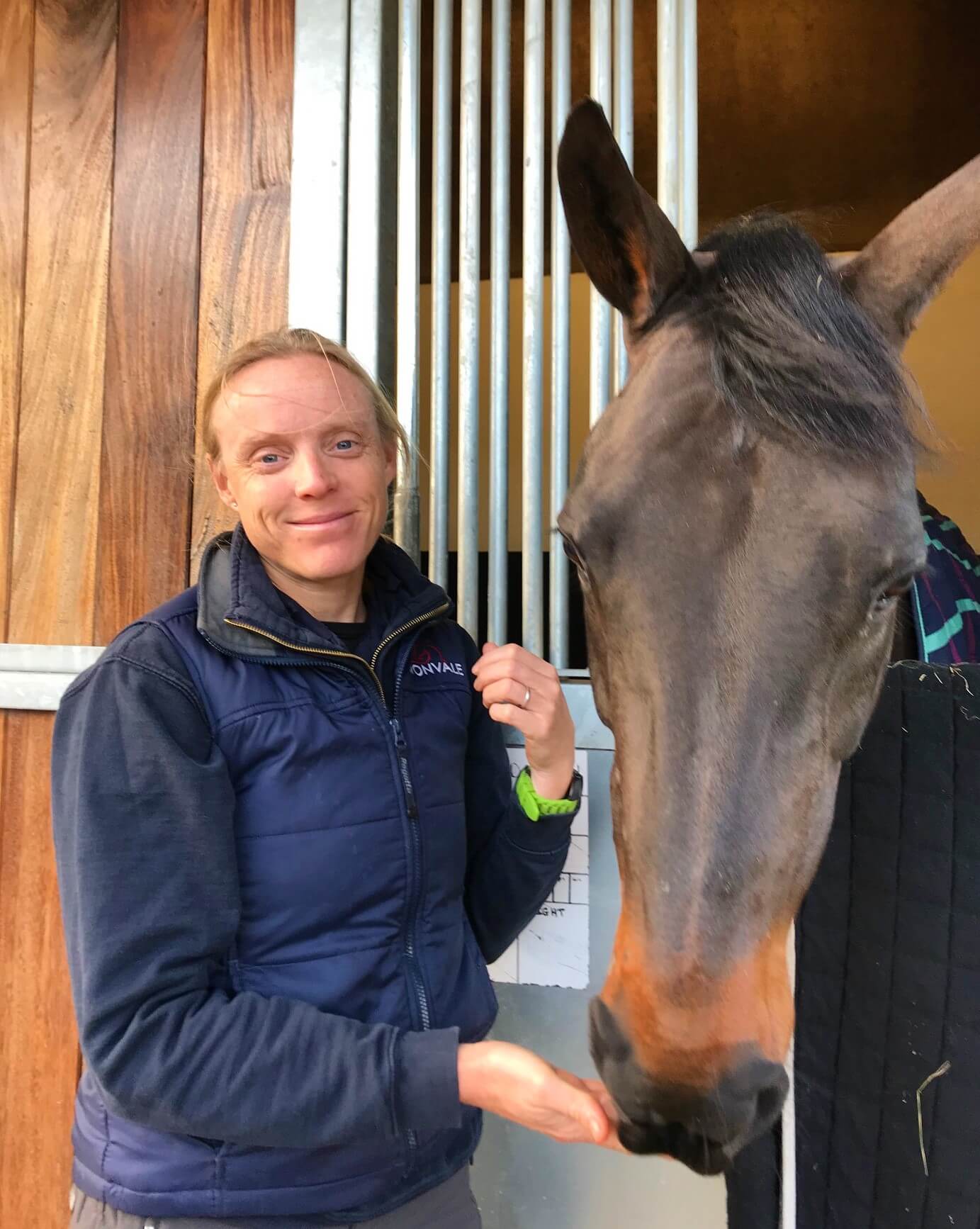
At this time of year, many of our clients are out enjoying clinics, fun rides, and competitions — and we love seeing your horses thriving. But as temperatures climb, travelling and working horses in the heat needs a little extra thought. Hot weather can place significant strain on even the fittest horses, and small adjustments can make a big difference to their comfort and wellbeing.
Why Hot Weather Puts Extra Pressure on Horses
Horses rely heavily on sweating to cool themselves, and in warm or humid conditions this becomes less efficient. Even a short journey can raise a horse’s core temperature, meaning some horses arrive at events already warm and slightly dehydrated.
Common heat-related risks include:
- Heat stress or heat exhaustion
- Dehydration and electrolyte loss
- Reduced performance
- Increased colic risk
- Travel-related respiratory irritation
Being aware of these risks helps you plan proactively.
Before You Travel: Setting Your Horse Up for Success
A little preparation goes a long way:
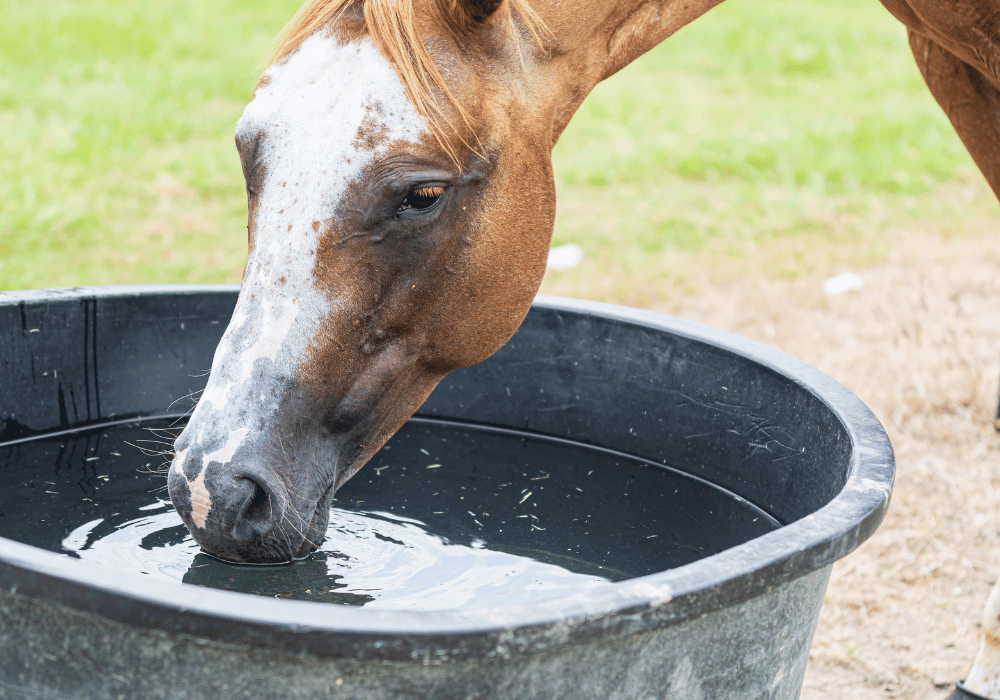
- Hydration starts early. Encourage drinking the day before travel and consider electrolytes if your horse is used to them.
- Keep travel wear light. Most horses don’t need a rug in summer. Over-rugging is a common cause of overheating in transit.
- Maximise ventilation. Open roof vents and windows, and check fans are working if your lorry has them.
- Travel at cooler times. Early morning or later evening journeys can make a noticeable difference.
- Consider your horse’s health. Horses with respiratory issues, PPID, EMS, or those carrying extra weight are more vulnerable to heat.
At the Event: Managing Heat & Performance
Once you arrive:
- Watch for early signs of heat stress. Fast breathing, dullness, reluctance to move, or excessive sweating.
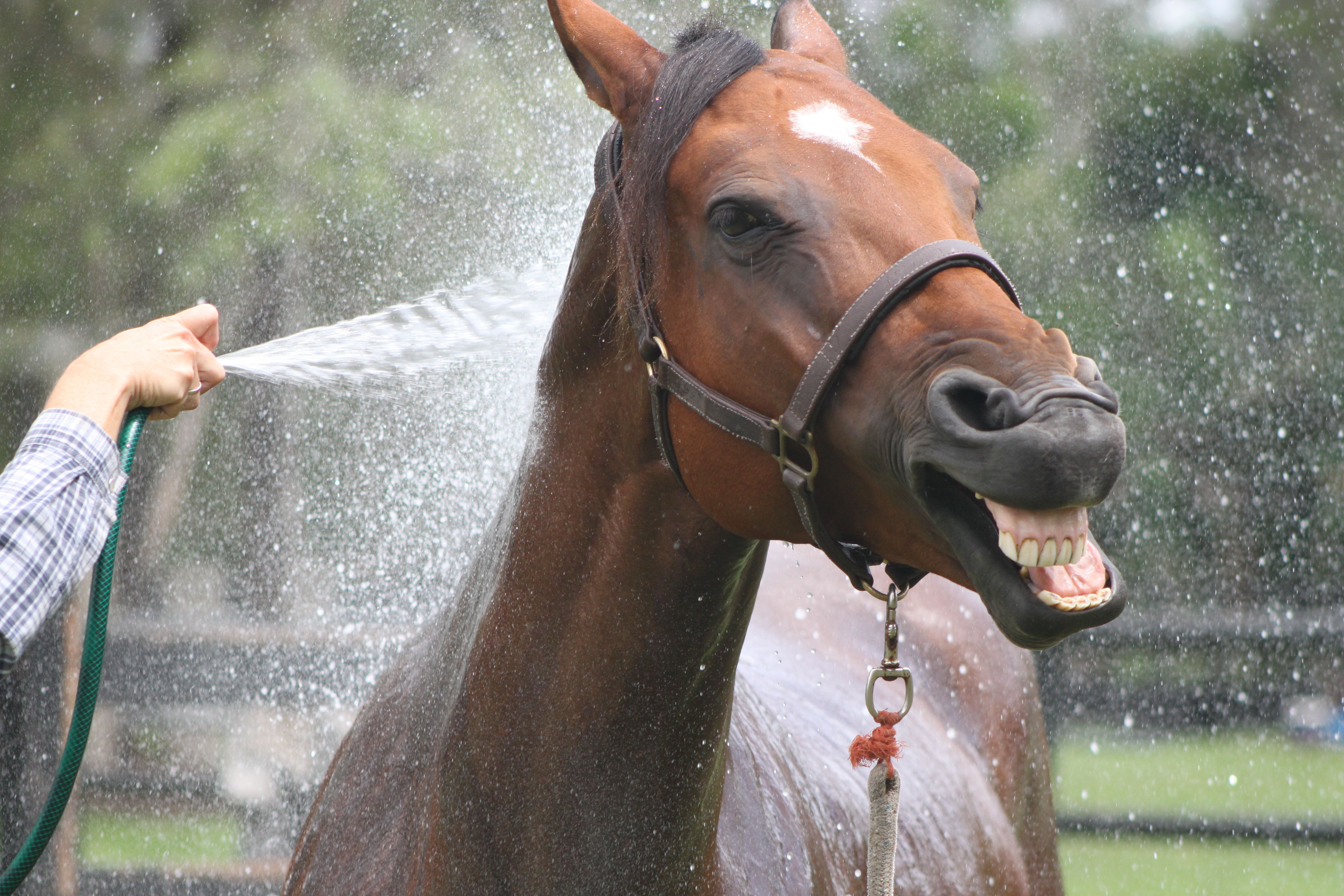
- Cool promptly and confidently. Cold water is your friend — apply freely and repeatedly. The old myth about avoiding cold water on hot horses is long outdated.
- Provide shade and airflow. Avoid standing on tarmac where possible, and use portable fans or shade if available.
- Shorten warm-ups. Many horses overheat during warm-up rather than the competition itself.
- Replace lost electrolytes. Performance horses can lose large volumes of sweat in hot weather.
After Exercise: Supporting Recovery
- Continue cooling until your horse’s breathing returns to normal.
- Offer water straight away — it’s safe for horses to drink when hot.
- Keep an eye on them for several hours afterwards, especially if the day is very warm.
- Make sure they eat and drink before travelling home.
When to Call the Vet
Please contact us if your horse shows:
- Persistent rapid breathing
- Difficulty cooling down
- Muscle tremors
- Reduced or dark urine
- Signs of colic
- Collapse or confusion
Heat stroke is an emergency — rapid cooling and prompt veterinary care are essential.
Our Message to Owners
Summer events are a highlight of the year, and with a few simple steps you can help your horse stay comfortable, happy, and performing at their best. If you’re ever unsure how your horse is coping with the heat, we’re always here to advise.
Register Your Horse/s At Avonvale Equine
If you are looking for a new equine vet for your horse/s that delivers excellent routine and 24/7 in-house emergency care, why not get in touch with us?
Our experienced and skilled equine vets are passionate about helping both commercial and individual owners look after veteran equines with complex healthcare needs through excellent equine veterinary care, which includes the management of on-going and lifelong conditions such as PPID.
To register your horse with us, complete our new client registration form online or call our practice on 01295 670501.









.jpg)