Precision Parasite Detection: Unlocking the Power of Ovacyte.
At Avonvale Equine, we are always reviewing the latest research and updating the way we manage parasite control programs sustainably for horses.
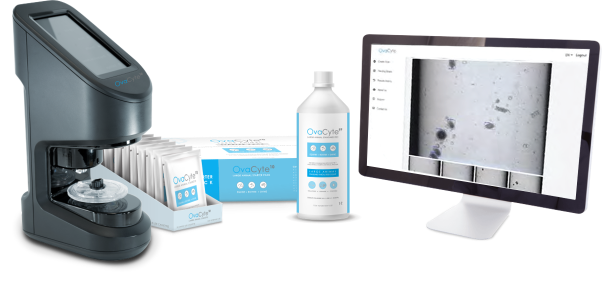
As a result of this we are extremely proud to announce that we have invested in an OvaCyte automated faecal analysis machine.
How does it work?
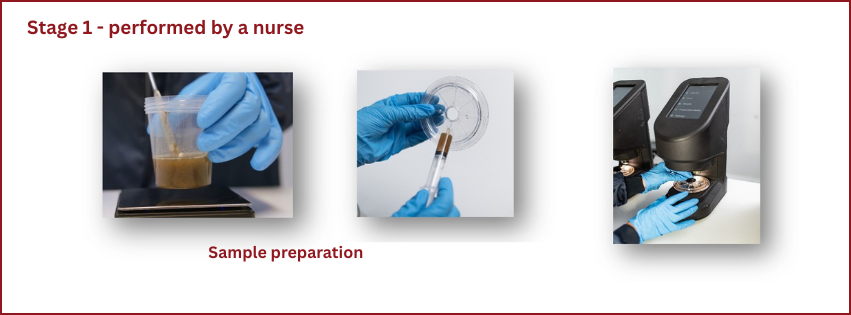
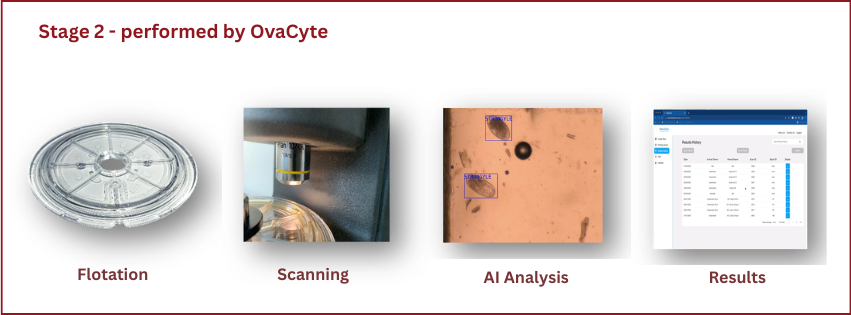
The faecal sample is prepared off the device by a nurse using a salt solution similar to the McMaster technique previously used. The prepared sample is loaded into a patented disc which allows the parasitic eggs and oocysts to float to the top and debris and other organic matter to fall to the bottom.
Following this period of flotation an automated analysis of the solution at the top of the disk commences. The AI algorithm captures images and tags eggs/oocytes based on their size, morphology, shape compared to that of over 19 million images stored and decides if there is enough of a certainty to tag the captured image as an egg/oocyte.
After analysis the results are sent back to the machine and the web application for interpretation by the user. There is a human element also with the extra step of clinical review where if the AI questions the presence of a potential egg/oocytes but is not certain then you have the "4 eye" effect where a parasitologist will review the image also.
How will this be reported to you?
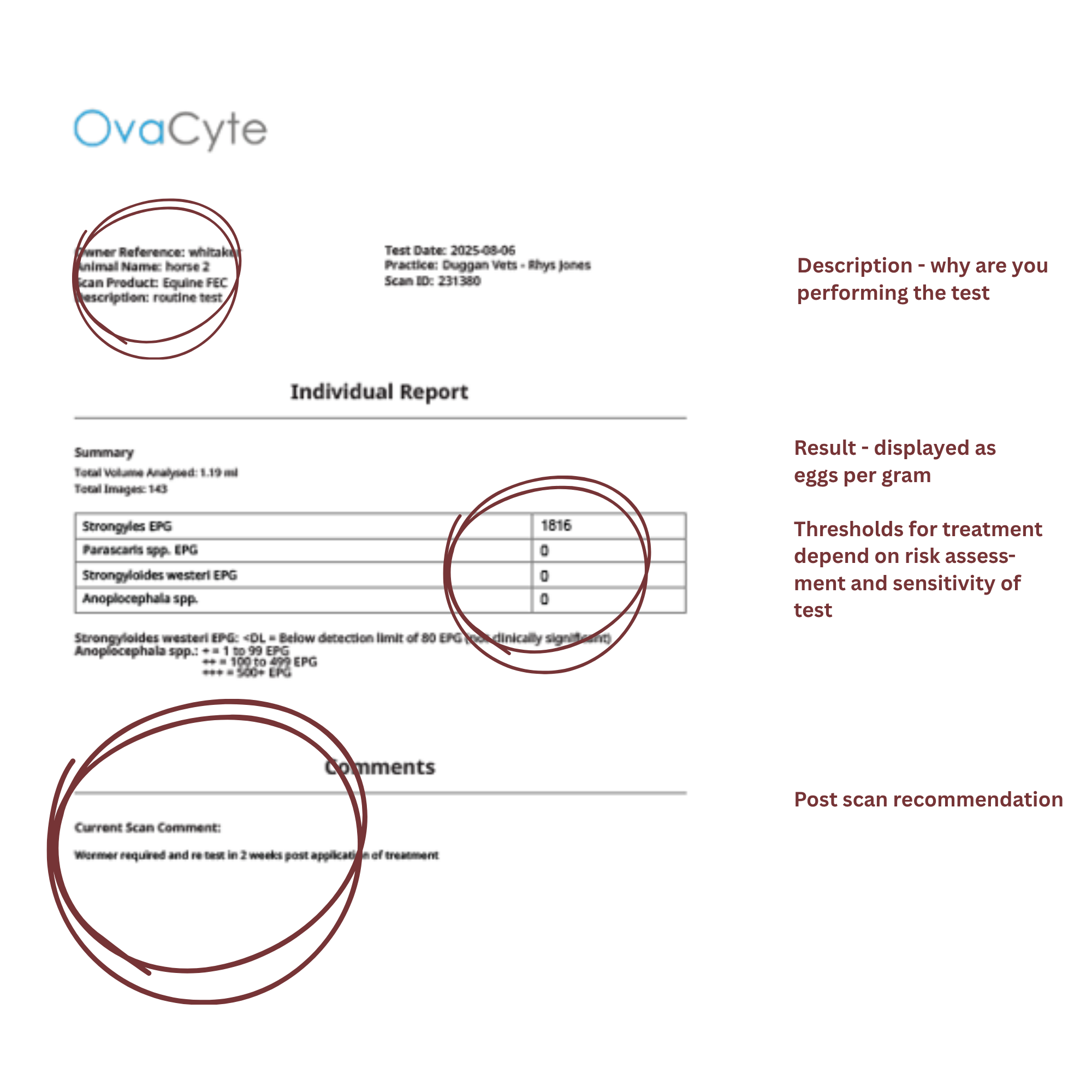
You will receive an email with a PDF attachment of the following analysis report.
Interesting fact! Do you know the 80:20 rule?
The 80:20 rule – 20% of the horses in a herd will carry 80% of the worms. As such, only around 20% of horses will need regular worming.
Targeted worming means you only worm your horse as and when it is necessary. This means they are not exposed to unnecessary doses of a wormer which will increase resistance to these drugs and limit future success, and it will also save you unnecessary expense.
What is a worm?
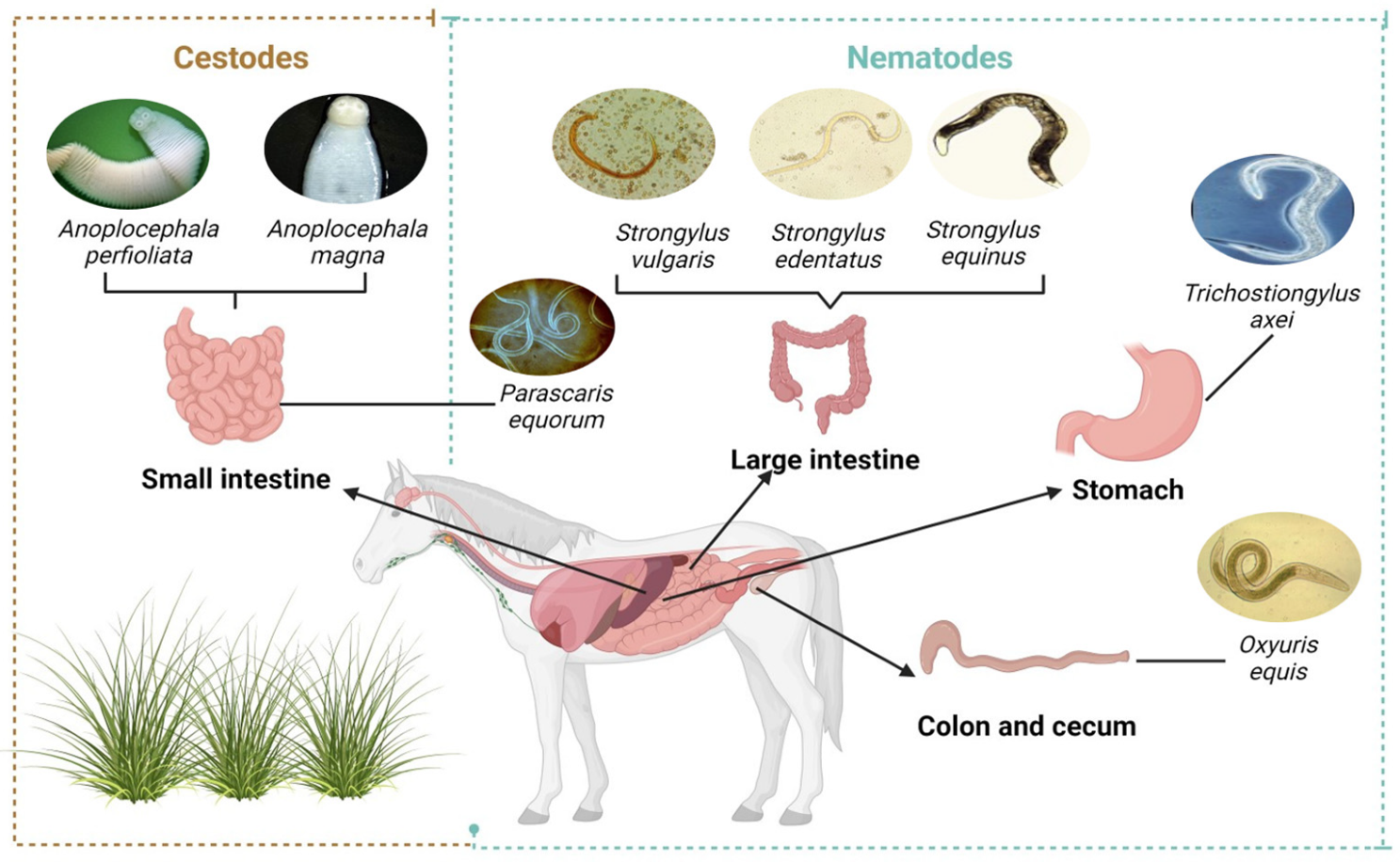
- Worms = parasites
- The nemabiome refers to the entire community of gastrointestinal nematodes (parasitic worms) living in a horse. There may be many different species of worms in a horse at any one given time, a horse will never be parasite free. Often some parasites are fine, normal and potentially very important.
- Ubiquitous in nature. Meaning something that is present, found or existing everywhere at the same time.
- Individual horses have individual burdens and no two horses are the same.
- More often than not one horse can be affected while others are fine within the yard, sometimes worms can cause illness on an individual/group level.
We need to think about where horses get worms from
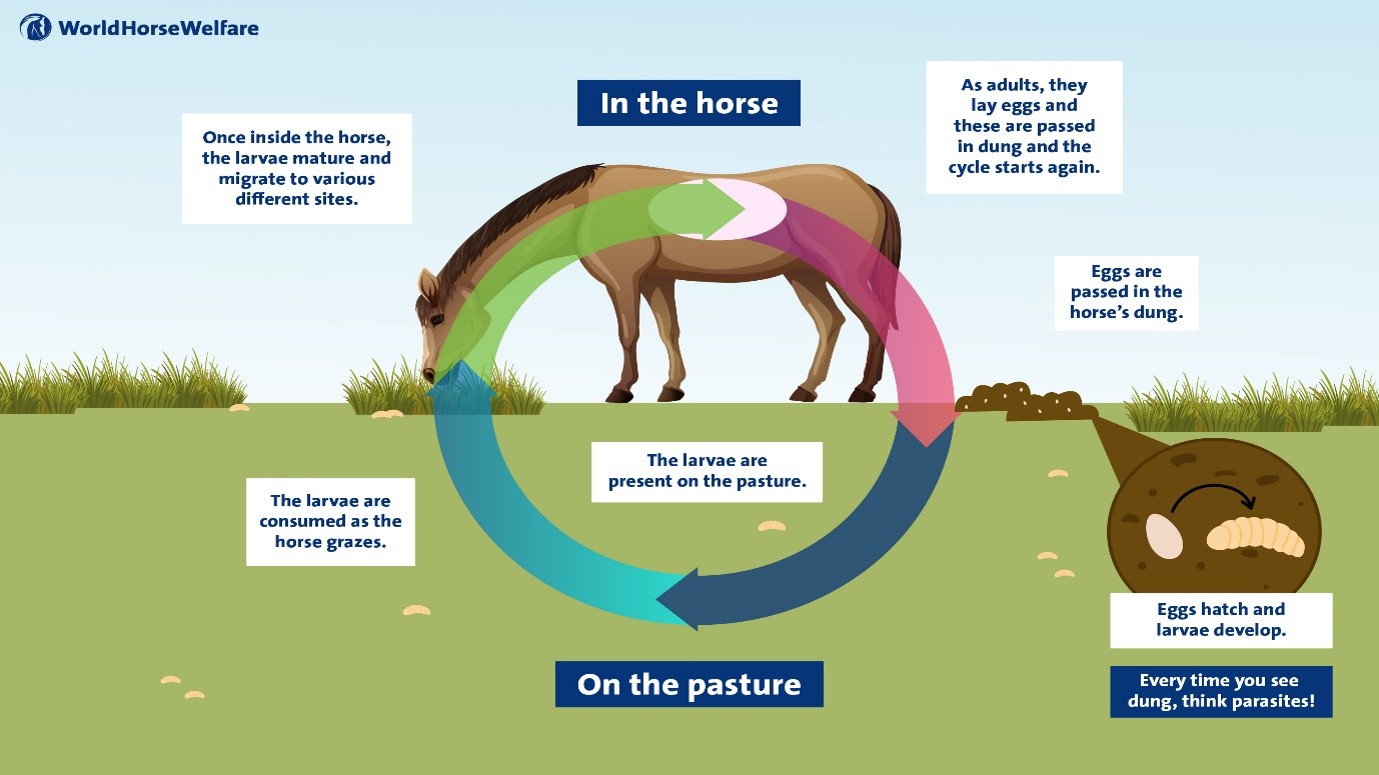
Horses grazing, even hay on the ground – anywhere they poo – parasites don’t come from space
Parasites made up of male and female worms (tapeworms) and the females produce eggs which are passed in the faeces. These then hatch into larvae when temperature and time is right and they move out of the faeces up onto the grass, facilitated by moisture. These larvae then are eaten by the horse and depending on the worm they migrate through different organs in the body and then back into the gut to become adults
When you see horse poo think parasite!
Avonvale 12-month Worming Package
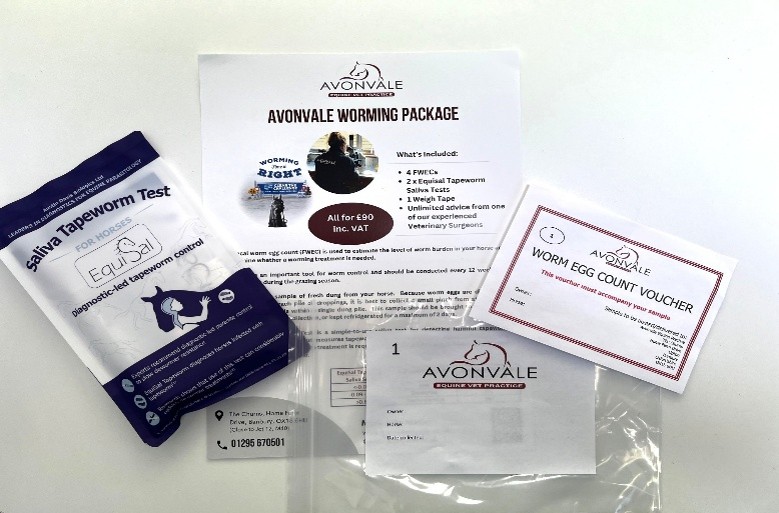
One of the best and most common ways of managing parasite control is to complete faecal worm egg counts, which helps to detect the presence of heavy worm burden in horses while also identifying the type of worms present.
We offer individual horse owner and yard owner packages. Each worming package includes four faecal worm egg counts, one EquiSal tapeworm saliva test, a weigh tape and unlimited up-to-date advice from our knowledgeable equine veterinary surgeons and qualified nurses.
Get in Touch
If you would like to discuss this or any other topic, please contact our practice team.
Phone: 01295 670501
Email: reception@avonvaleequine.co.uk
Address: The Churns, Home Farm Drive, Upton, Banbury, OX15 6HU
Office hours: Monday to Friday, 8:30am – 5:00pm. 24-hour emergency line available.





.jpg)