Pars Pituitary Intermedia Dysfunction (PPID) or Cushings as it is more commonly known, is a condition in which the pars intermedia of the pituitary gland starts overproducing a hormone called ACTH. This can lead to a number of metabolic problems in equines if left untreated. It is most commonly seen in older horses, aged 15 years old or older, but it can present in horses of any age. Our practice sees a significant caseload of horses living with PPID and our equine vets are experienced at providing quality veterinary care to veteran horses.
In this article, we explore what the pituitary gland is, the symptoms and effects of PPID on horses, how PPID is diagnosed, the key treatment options and how PPID can be monitored effectively.
The Equine Pituitary Gland
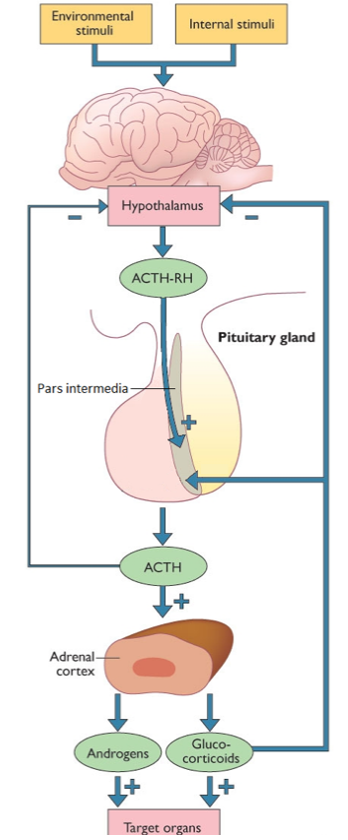
The equine pituitary gland is found on the underside of a horse’s brain, and is stimulated by another gland, the hypothalamus, to produce a number of hormones responsible for regulating many different body functions. Among these hormones is adrenocorticotrophic hormone (ACTH).
ACTH stimulates the adrenal glands to produce corticosteroids, which play multiple roles in inflammation and metabolism. Usually, when too many steroids are being produced, the pituitary gland is able to downregulate the production of ACTH to counter this. ACTH levels in horses vary naturally throughout the year, with a normal increase occurring in autumn when horses develop their winter coats.
Equine PPID Symptoms & Effects
In equine PPID, there is a benign enlargement of the pars intermedia and an increase in production of ACTH that the body cannot compensate for. It results in excessive steroids being produced, which can have the following effects on the horse’s body:
- Laminitis that may be unexpected or difficult to manage
- Lethargy
- Recurrent infections
- Muscle wastage
- Bulging of the fat pads around the eyes
- Drinking and urinating excessively
- Abnormal haircoat retention
It is estimated that 50% of horses over the age of 15 have PPID. This rises to 75% of those over the age of 20. These high rates of prevalence in veteran horses makes it highly likely that horse owners will encounter PPID in their horses as they age.
How PPID Is Diagnosed
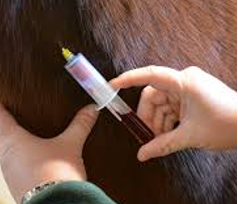
PPID in horses is usually relatively easy to diagnose with a blood test, which quantitively measures the level of ATCH being produced by the pituitary to determine the concentration of the ACTH hormone.
The diagnosis of PPID through testing can be complicated by a number of factors, including the slow progressive nature of the disease, which makes false negative results common during early stages of the disease. Testing for ATCH hormone concentrations becomes more reliable as PPID progresses, which allows easier diagnosis. In addition to this, the seasonal variation in hormone output can be another complicating factor. In some cases additional tests may be recommended.
Equine PPID Treatment
Equine PPID is a progressive disease but treatment can be very effective in controlling the symptoms. There are now two key treatment options available for horses with PPID. The first drug called Pergolide has been used for over 15 years, while the alternative, Cabergoline is a more recent treatment.
Pergolide
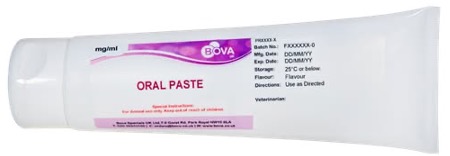
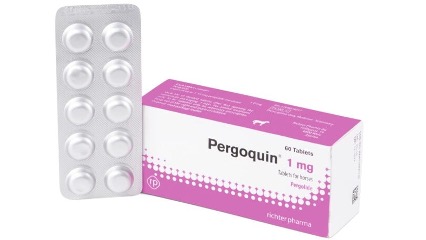
Pergolide (brand names include Prascend and Pergoquin) is a well-established drug for the treatment of PPID. It prevents the pituitary gland from overproducing ACTH. It is administered to horses in tablet or paste form once a day. Levels of ACTH vary throughout the day, with a peak occurring in the morning, so Pergolide is best given in the morning to counteract excessive ACTH when it is at its highest.
PPID is a lifelong condition so treatment with Pergolide must also be lifelong. Side effects associated with Pergolide are extremely rare, the most common of which is a horse going off its food when starting the treatment. In these circumstances, our equine vets usually advise halving the dose for a week or so until the appetite is back to normal before resuming the full dose.
Cabergoline
Cabergoline is an alternative and a more recent PPID treatment. Like Pergolide, Cabergoline is also a dopamine agonist, but instead of being administered orally, cabergoline is administered intramuscularly once weekly. It is a long-acting drug, which is perfectly suited to cheeky horses who don’t like being given tablets or paste every day.
How PPID Can Be Monitored
As PPID is a slowly progressive condition, it requires careful monitoring to ensure that it is managed effectively for the horse’s comfort and welfare. Regular check-ups with your equine vet where ACTH measurements are taken will help to ensure that your horse receives the correct dose.
At Avonvale Equine, we recommend retesting ACTH 4-6 weeks after starting treatment with Pergolide to ensure that the initial dose is having the desired effect in managing the effects of PPID. After this, we recommend re-testing every 6 months. For convenience and cost-effectiveness, these ACTH re-tests can be completed as part of our weekly zone visits scheme.
PPID Diagnosis & Management At Avonvale Equine
PPID/cushings is a common equine condition that our qualified and experienced equine vets are skilled at diagnosing and managing. We look after a significant number of veteran horses as part of our practice caseload and are able to help manage PPID and other conditions that are common in older horses as part of our quality veterinary care for veteran horses.
If you are concerned that your horse may be displaying symptoms of PPID, please call the practice on 01295 670 501 to book an appointment with one of our equine vets. During your appointment, we will complete a blood test to measure your horse’s ACTH levels. After a diagnosis, we can provide further advice as to how best to treat and monitor PPID in your equine.
Avonvale Cushingoid Horse Health Scheme
At Avonvale Equine, we appreciate that caring for horses on long term medication is a huge commitment. Cushing’s Disease, officially known as Pars Pituitary Intermedia Dysfunction (PPID in horses) is commonly seen in teenage or older horses and as a life-long degenerative condition, is managed by medication, which horses stay on for the rest of their life.
Our ‘Cushingoid Horse Health Scheme’ offers you a simple, convenient and affordable plan, spreading the cost of essential treatment and drugs by means of a simple monthly direct debit, with excellent cost saving benefits.
What's Included?
- 2 x prescription checks per year, including clinical examination on yard*
- 2 x ACTH monitoring blood tests per year, including sampling and handling fees
- 25% discount on full boxes of Pergoquin (box of 200)
- Dedicated phone call from our experienced vets to discuss blood results, tailoring a personalised plan for your horse
- Free use of weighbridge in clinic
- Free advice from our team of vets, 24/7
*This service is available under the free zone visit scheme (see separate terms and conditions). For appointments outside the zone visit scheme, a call out fee will be charged and must be paid as per our normal terms and conditions.
What Are The Benefits?
- A hassle-free scheme, with regular check-ups
- Simple monthly payments allowing you to spread the cost and budget easily
- 25% discount off Pergoquin (only applicable to full boxes)
- Potential savings of over £185.00 a year (figures based on horse needing 1 tablet per day)
- Medication dispensed directly from the practice, so no need to send off prescriptions
- Seamless care and support for your cushingoid horse at all times
What’s The Cost?
The cost of our monthly scheme is £17.50 per month, per horse, taken by direct debit. Payment can also be made upfront on an annual basis if this is preferred. For full terms and conditions see our Cushingoid Health Scheme Leaflet.
What To Do Next
Simply complete the Cushingoid Scheme registration form including your bank details, in order to set up the direct debit and we’ll do the rest. If you have any questions, please just call our team on 01295 670 501.
Register Your Horse/s At Avonvale Equine
If you are looking for a new equine vet for your horse/s that delivers excellent routine and 24/7 in-house emergency care, why not get in touch with us?
We look after all types of horses, ponies, donkeys and mules within our coverage area, which includes large parts of Oxfordshire, Warwickshire, Northamptonshire, Birmingham, The Midlands as well as areas of Worcestershire, The Cotswolds, and Gloucestershire.
Our experienced and skilled equine vets are passionate about helping both commercial and individual owners look after veteran equines with complex healthcare needs through excellent equine veterinary care, which includes the management of on-going and lifelong conditions such as PPID.
To register your horse with us, complete our new client registration form online or call our practice on 01295 670 501.




.jpg)