As horses age, their dental needs change — and one issue we frequently diagnose during routine dental examinations at Avonvale Veterinary Practice Limited is the presence of diastemata. These are gaps between the teeth where food becomes trapped, potentially leading to discomfort and disease. Some horses develop a single diastema, while others may have several across different areas of the mouth.
Why Do Diastemata Develop?
Horses are hypsodont, meaning their teeth continuously erupt throughout life. In younger horses, the cheek teeth sit tightly together. As horses grow older, subtle shifts in tooth position create small gaps. Over time, these gaps can widen and become diastemata.
There are two main types:
- Valve diastema — Narrow at the chewing surface and wider lower down. Food enters easily but cannot escape, making these particularly troublesome.
- Open diastema — Wider at the chewing surface and narrower at the gum line, allowing food to move more freely.
Valve diastemata often require more frequent veterinary attention because trapped food irritates the gum tissue and can lead to painful periodontal disease.
Clinical Signs to Watch For
Horses with diastema may show a variety of symptoms, depending on the severity of associated periodontal disease. Common signs include:
- Chewing on one side
- Packing food in the cheeks
- Dropping partially chewed food (quidding)
- Foul-smelling breath
Periodontal disease occurs when bacteria multiply in trapped food, penetrating the gum and damaging the underlying structures. Diastemata with periodontal lesions are often very painful and may require multiple treatments.
How Avonvale Vets Diagnose and Treat Diastema
At Avonvale Veterinary Practice Limited, diastema treatment is carried out with your horse’s comfort and long-term dental health in mind.
A typical treatment appointment includes:
- Sedation to ensure safe and thorough examination
- Placement of a speculum to hold the mouth open
- Detailed inspection using a dental mirror
- Removal of packed food using dental picks and forceps
- Flushing the space with diluted antiseptic using a diastema flusher
Depending on the severity, we may pack the cleaned diastema with dental impression material (Splash Putty). This prevents further food accumulation and allows inflamed tissues to heal.
The use of an Oroscope
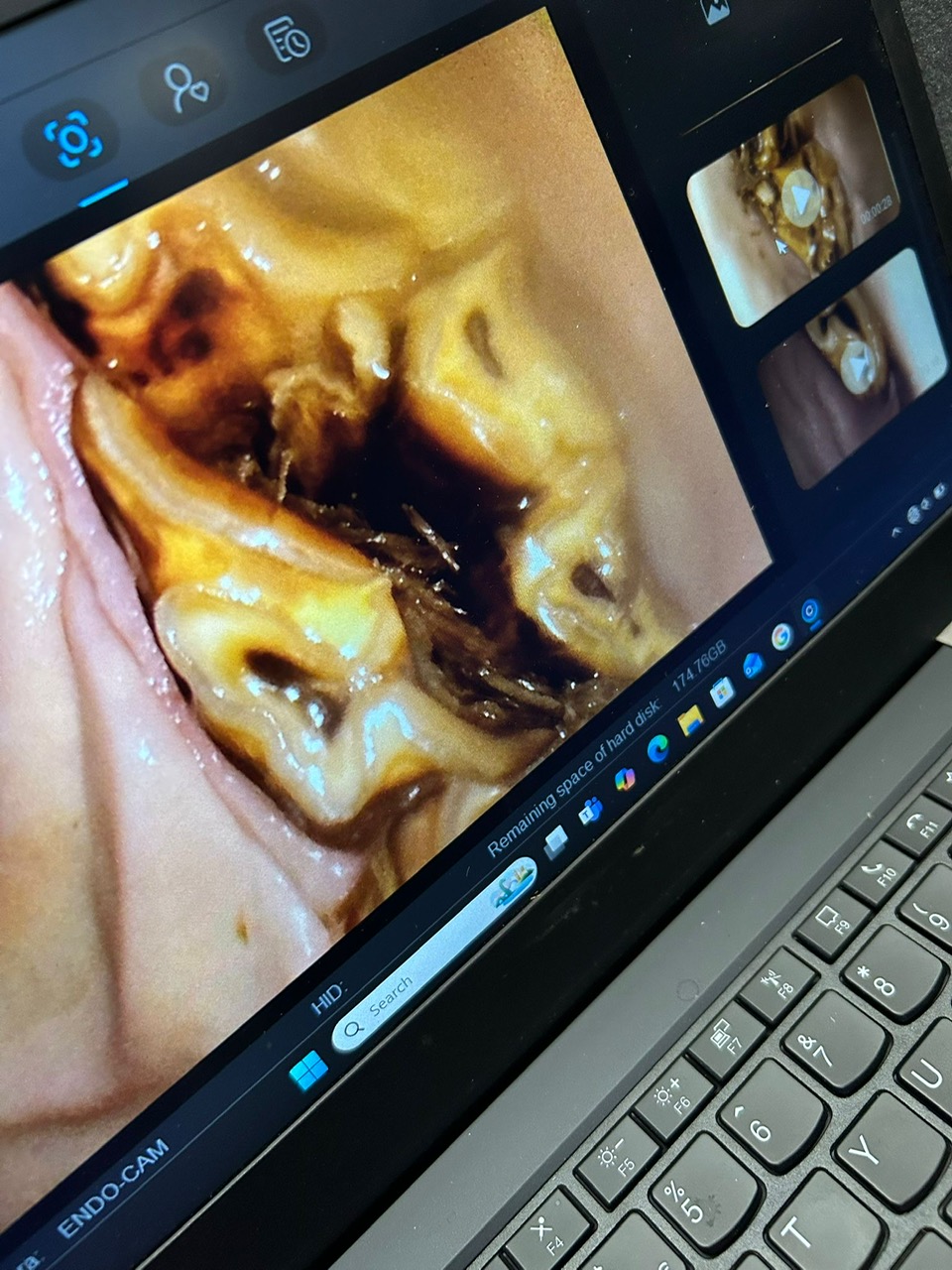
An oroscope really helps our vets to better assess the mouth where needed. An oroscopic examination allows better visualisation of areas of concern, particularly at the back of the mouth, and can be used in patients of all shapes and sizes. This is particularly useful for diastema and better management of painful conditions.
Ongoing Care at Avonvale
We usually recommend that horses with diastemata are seen every 3 to 6 months for flushing and reassessment. In more severe cases, we may advise a period of more intensive treatment when diastemata are first diagnosed.
Regular dental care is essential for maintaining comfort, preventing infection, and ensuring your horse can chew effectively throughout its life.
Our Commitment to Your Horse’s Dental Health
Diastema is a common age-related dental issue, but with proactive monitoring and appropriate treatment, most horses remain comfortable and healthy. If you notice changes in your horse’s eating habits or suspect dental discomfort, the team at Avonvale Veterinary Practice Limited is here to help.
Register Your Horse/s At Avonvale Equine
If you are looking for an equine vet for your horse/s that delivers high quality routine and 24/7 in-house emergency care, why not get in touch with us? We look after all types of horses, ponies, donkeys and mules within our coverage area, which includes large parts of Oxfordshire, Warwickshire, Northamptonshire, Birmingham, The Midlands as well as areas of Worcestershire, The Cotswolds, and Gloucestershire.
Our experienced and skilled equine vets are passionate about helping both commercial and individual owners look after their equines excellent equine veterinary care, which includes the identification and treatment of sarcoids.
To register your horse with us, complete our new client registration form online or call our practice on 01295 670 501.



.jpg "Diastema in Horses")


.jpg)