A persistent cough can be frustrating for both horse and owner. While coughing is a common clinical sign, it can have a variety of underlying causes, ranging from simple viral infections to chronic respiratory conditions such as equine asthma. Understanding what may be causing your horse's cough is the first step towards effective treatment and management.
Why Is My Horse Coughing?
Coughing is the body's natural way of clearing irritation or inflammation from the respiratory tract. In horses, the most common causes are infections and allergic airway disease, although structural abnormalities within the throat can occasionally be responsible.
Below we explore the most common causes of coughing in horses and how they can be investigated and treated.
1. Viral Respiratory Infections
Upper respiratory tract viral infections are among the most common causes of coughing in horses. These include conditions such as Equine Influenza and Equine Herpes Virus (EHV).
Affected horses may show signs including:
- Coughing
- Fever
- Reduced appetite
- Nasal discharge
- Lethargy
These infections are often highly contagious and can spread quickly through a yard.
Vaccination against Equine Influenza and Equine Herpes Virus remains the most effective way to reduce the risk of severe disease. Even after the main infection has resolved, some horses may continue to cough for several weeks while the airway lining recovers. During this period, rest and allowing adequate recovery time are essential.
2. Bacterial Respiratory Infections
A wide range of bacteria can cause respiratory disease in horses. In some cases, bacterial infections develop secondary to a viral infection, taking advantage of an already compromised respiratory tract.
Distinguishing between viral and bacterial infections can sometimes be challenging. Generally, viral infections tend to improve relatively quickly, whereas bacterial infections may persist or worsen over time.
Treatment often involves antibiotics, and your vet may recommend a tracheal wash, which involves collecting a sample of fluid from the windpipe. This allows laboratory testing to identify the bacteria involved and determine which antibiotics are likely to be most effective.
3. Equine Asthma
Previously known as COPD (Chronic Obstructive Pulmonary Disease) or RAO (Recurrent Airway Obstruction), Equine Asthma is one of the most common causes of chronic coughing.
This allergic airway condition occurs when a horse's respiratory tract reacts to inhaled allergens such as:
- Dust
- Mould and fungal spores
- Pollen
Early signs often include coughing during exercise, but as the condition progresses, coughing may also occur at rest.
Seasonal Patterns
The timing of symptoms can often provide clues about the trigger:
Winter-associated asthma
- Commonly linked to dust and mould spores
- Often worsens when horses are stabled for long periods
Summer-associated asthma
- More frequently triggered by pollen
- Typically worsens during the grazing season
Differentiating equine asthma from a low-grade bacterial infection is not always straightforward. In these cases, airway sampling through a tracheal wash or bronchoalveolar lavage (BAL) can help identify the cause.
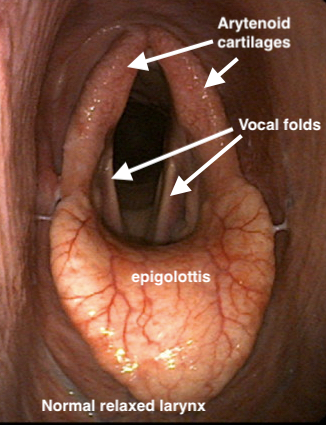
4. Laryngeal Dysfunction and Structural Problems
Although less common, structural abnormalities within the upper airway can also lead to coughing.
Examples include:
- Laryngeal dysfunction
- Epiglottic swelling
- Complications following laryngeal tie-back surgery
Horses that have undergone tie-back surgery for laryngeal paralysis can sometimes experience recurrent coughing due to aspiration of food material, which may lead to repeated bacterial airway infections.
These conditions are often accompanied by abnormal respiratory noise during exercise or reduced exercise performance.
How Is a Cough Investigated?
The first stage of any investigation is a thorough clinical examination and detailed history.
Your vet will assess factors such as:
- Body temperature
- Breathing effort
- Presence of nasal discharge
- Enlarged lymph nodes
- Signs of chronic respiratory disease, such as a "heave line"
- Recent management changes, including new yards, bedding or forage
In many cases, examination findings will point towards a likely diagnosis. However, where symptoms persist or the cause remains unclear, further investigation may be required.
Endoscopy
Endoscopy involves passing a small fibre-optic camera through the horse's nasal passages to examine the larynx and trachea.
This allows your vet to:
- Assess the upper airway for abnormalities
- Evaluate the windpipe
- Obtain a tracheal wash sample
Bronchoalveolar Lavage (BAL)
In some cases, a BAL is recommended. This procedure collects fluid from deeper within the lungs, providing valuable information about inflammation and the types of cells present within the airways.
Both BAL and tracheal wash samples can be examined under a microscope and cultured to identify bacterial infections and guide treatment decisions.
Can a Horse's Cough Be Resolved?
In most cases, yes.
Viral Infections
These are usually self-limiting and resolve with:
- Rest
- Supportive care
- Appropriate isolation measures
Bacterial Infections
Most bacterial respiratory infections respond well to appropriate antibiotic therapy once identified.
Equine Asthma
Like asthma in humans, equine asthma cannot be cured, but it can often be managed very successfully.
The key is identifying and reducing exposure to triggers wherever possible.
.png)
.png)
Helpful Management Strategies
For horses affected during the winter:
- Ensure stables are well ventilated
- Avoid straw bedding where possible
- Feed steamed or soaked hay
- Reduce dust and cobwebs within the stable environment
For horses affected during the summer:
- Monitor pollen levels
- Consider strategic stabling during periods of high pollen count
Medication may initially be needed to control airway inflammation. This can include oral corticosteroids, followed by longer-term management using inhaled medications delivered through specially designed equine inhaler systems.
Simple Changes That Can Help Any Coughing Horse
Regardless of the underlying cause, a few practical management changes can benefit most horses with respiratory disease:
? Reduce dust exposure wherever possible
? Feed forage from the floor rather than a haynet
? Steam or soak hay before feeding
? Maximise turnout when appropriate
? Ensure good stable ventilation
Feeding from the floor encourages natural drainage of mucus from the airways, while turnout provides fresh air, natural movement and allows horses to eat with their heads down.
However, if a contagious viral or bacterial infection is suspected, avoid group turnout to reduce the risk of spreading disease.
When Should You Contact Your Vet?
While an occasional cough may not always indicate serious disease, persistent coughing should never be ignored. Early investigation can often identify the cause before it develops into a more significant problem, improving both your horse's comfort and long-term respiratory health.
If your horse is coughing, whether the signs are recent or have been ongoing for some time, our team is here to help.
Need Advice About a Coughing Horse?
At Avonvale Equine Practice, our experienced veterinary team regularly investigates and manages respiratory conditions in horses, from simple infections through to complex airway disease.
If you are concerned about your horse's cough or would like to arrange an examination, please contact Avonvale Equine Practice for advice and support.
Register Your Horse/s At Avonvale Equine
If you are looking for an equine vet for your horse/s that delivers high quality routine and 24/7 in-house emergency care, why not get in touch with us? We look after all types of horses, ponies, donkeys and mules within our coverage area, which includes large parts of Oxfordshire, Warwickshire, Northamptonshire, Birmingham, The Midlands as well as areas of Worcestershire, The Cotswolds, and Gloucestershire.
Our experienced and skilled equine vets are passionate about helping both commercial and individual owners look after their equines excellent equine veterinary care, which includes the identification and treatment of sarcoids.
To register your horse with us, complete our new client registration form online or call our practice on 01295 670 501.