What is EMS?
EMS is a hormonal disorder characterized by a combination of three things: obesity, insulin dysregulation and increased risk of laminitis. It can be compared to type 2 diabetes in humans.
Native breeds are genetically predisposed to this condition so extra care should be taken to manage their weight. This is because they are designed to live in climates where high value food is sparse and they loose weight over winter to then increase weight again over summer. Domestic horses are put at risk of EMS when they are fed lots of high carbohydrate foods and grass, do not exercise well and do not have the opportunity to lose weight each winter.
It is important to remember that whilst an increased body condition score increases risk of EMS, not all obese horses have EMS and some horses that are not obese can have EMS, though this is less common. Although it is seen more commonly in native breeds, any breed can be affected.
Signs include:
- Abnormal fat distribution: fat stored over the crest, behind the shoulders, tail head and above the eyes and often less fat over the ribs.
- Lack of energy
- Increased urination and drinking
- Recurrent bouts of laminitis
- Difficulty losing weight
What is insulin resistance?
When insulin does not respond appropriately to the levels of glucose in the blood. Normally when glucose levels are high insulin levels should increase in response- this triggers movement of glucose from the blood into cells and storage. However, in EMS we see an exaggerated response to insulin because glucose level remains high despite a release of insulin so the body releases more insulin to compensate.
How can we diagnose it?
Often EMS is picked up when a horse has a laminitis episode but noticing the above clinical signs before this is really useful to prevent an acute crisis.
To diagnose EMS we can look at the clinical signs a horse is showing and then decide if a blood test is needed to further investigate.
We can send a blood sample to the lab to measure the insulin levels.
In some cases an oral sugar challenge test is needed to make a diagnosis. In this case we fast the horse overnight and then take a blood test to measure insulin. We then give the horse a concentrated glucose syrup and resample their blood 60-90 minutes later. Here we can see how the horses insulin levels respond to a glucose challenge.
How can you manage EMS?
The most effective and important way to manage EMS is diet and exercise.
We should aim for a body condition score of 2.5-3 as having a high body condition score increases the risk of EMS.
Horses that need to lose weight should be fed 1.5% of their body weight a day in forage. Up to 1/3 of this ration can be replaced with straw to bulk out their ration. It is important to introduce straw gradually to their diet to reduce the risk of impaction colic.
Soak hay for 8-12 hours to get the sugars out- keep it in a shaded area and replace the water regularly.
Be inventive with how the forage ration is given to try and make it last them as long as possible- put some in a treat ball, use double hay nets, in many small piles for example and spread it over the day.
Avoid feeds with molasses.
If on a diet of only soaked hay during this time- a low-calorie vitamin/mineral balancer should be given daily to ensure your horse gets everything they need.
Exercise is an important way to help with insulin regulation and weight loss as it increases the uptake of glucose to the muscles and lowers insulin. If your horse is suffering from a laminitis episode then rest is required to settle the inflammation in the lamellae in the foot- however horses who are not laminitic are recommended to perform moderate work 4-5 days a week, including canter and hill work once their fitness level permits.
Prevention is the key. Theoretically the effects to EMS can be reversed if the horse is managed well. The biggest concern is the onset of laminitis which is a painful and sometimes life-threatening condition.
Medications we can use to treat EMS
There are some medications we can use to kick start their diet and reduce insulin levels. These are most commonly used short term during a laminitis crisis period.
- Ertugliflozin/ Canagliflozin- these belong to a drug class called SGL2 inhibitors. They work by increasing the amount of glucose that is excreted by the kidneys into urine. This is the drug that we most commonly use and find it effective at controlling insulin dysregulation. We recommend taking blood samples before and during use of this drug to monitor the liver values to monitor for a condition call hyperlipidemia.
- Metformin works by decreasing the amount of glucose absorbed by the guts. This drug is less used now with development of more effective drugs
- Levothyroxine- This works by increasing the horses metabolism. It is vital to control their diet when on this drug as it increases their appetite. This drug can become costly and is not used to a great extent in the UK.
Donkeys
Donkeys are also at risk of EMS and need their diet managed carefully. They are more prone to becoming overweight than horses in the UK on rich grass since they are designed to be grazing on a large volume of low quality forage throughout the day. Take extra care to feed your donkey appropriately.
Medications for weight loss and insulin regulation as mentioned above are less commonly used in donkeys because they are at high risk of developing hyperlipidemia and fatty liver syndrome which can be life threatening. Donkeys losing weight too fast puts them at high risk of this compared to horses.
Case Reporton Quigley - use of Canagliflozin during a laminitis episode.
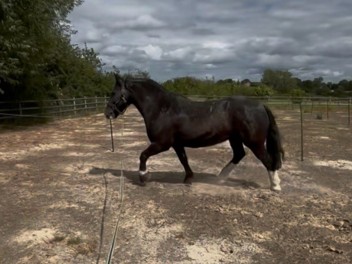
Before starting Canagliflozin:
Quigly is a 15.1 cob who presented to us during a laminitis episode. He was body condition score 5/5. Quigly was given pain relief, rest and was put on a strict diet and started a course of Canagliflozin.
Blood results showed insulin was 222 (considered high above 63)
After starting Canagliflozin:
Insulin was 10.9
And BCS after one month was 4/5.
We carefully monitored Quigly during his time on canagliflozin- his liver values became increased so we took more frequent samples and monitored him carefully to ensure he remained within safe parameters whilst on this medication.
With lots of dedication and strict management from the owner, Quigly has now recovered from his laminitis and is back into work and off all medications. He will continue on a strict diet regime and work schedule to keep reducing his weight and prevent any further problems.
Get in Touch
If you would like to discuss this or any other topic, please get in touch with our team.
Phone: 01295 670501
Email: reception@avonvaleequine.co.uk
Address: The Churns, Home Farm Drive, Upton, Banbury, OX15 6HU
Office hours: Monday to Friday, 8:30am – 5:00pm. 24-hour emergency line available.







.jpg)