Laminitis is one of the most common and painful conditions affecting horses and ponies in the UK. It can strike at any time of year, in any breed, and — without prompt and appropriate treatment — can result in lasting damage to the foot and chronic lameness. Understanding the causes, recognising the signs early, and knowing when to call your vet are all essential parts of managing and preventing this debilitating condition.
At Avonvale Equine Vet Practice, our experienced team manages laminitis cases throughout our coverage area, from initial emergency assessment through to long-term dietary and farriery support. Here is what every horse owner needs to know.
What Is Laminitis?
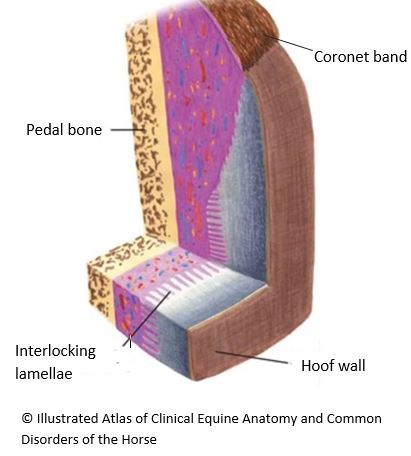
Laminitis is painful inflammation of the sensitive laminae — the tissue layers that bond the pedal bone (coffin bone) to the inner hoof wall. This tissue has a rich blood supply, and when blood flow is disrupted or excessive inflammation occurs, the laminae weaken and can no longer support the weight of the horse adequately.
In severe or prolonged cases, the pedal bone can rotate downwards or, in the worst cases, sink vertically within the hoof capsule. This leads to permanent changes to the foot's internal structure. This is why early intervention is so critical — the sooner laminitis is treated, the better the chance of a full recovery.
What Causes Laminitis?
Laminitis is rarely a primary condition — it is often a consequence of an underlying problem, most commonly one of the following:
- Pasture-associated laminitis — Rapidly growing spring and autumn grass is high in non-structural carbohydrates (NSC), which can trigger laminitis in susceptible animals. Native breeds and ‘good-doers’ are particularly at risk.
- Equine Metabolic Syndrome (EMS) — Overweight horses and ponies with insulin dysregulation are highly predisposed to laminitis. Managing body condition and diet is central to preventing recurrence in these animals. Certain drugs such as ertugliflozin can be very helpful in managing EMS.
- Pituitary Pars Intermedia Dysfunction (PPID / Cushing's disease) — Older horses with PPID have altered hormone levels that increase their susceptibility to laminitis. Many horses with recurrent laminitis are found to have underlying PPID when tested.
- Grain overload — Sudden access to large quantities of starchy feed can cause hindgut acidosis, triggering laminitis. This includes horses that have broken into feed stores.
- Supporting limb laminitis — Horses carrying excessive weight on one limb due to a painful injury in the opposite leg can develop laminitis in the overloaded foot — a serious complication requiring careful management.
- Inflammatory or systemic illness — Severe infections, retained placenta in mares, or systemic illness can all trigger laminitis as part of a broader inflammatory response.
Recognising the Signs of Laminitis
Laminitis can range from mild discomfort to a severe, acute emergency. Common signs include:
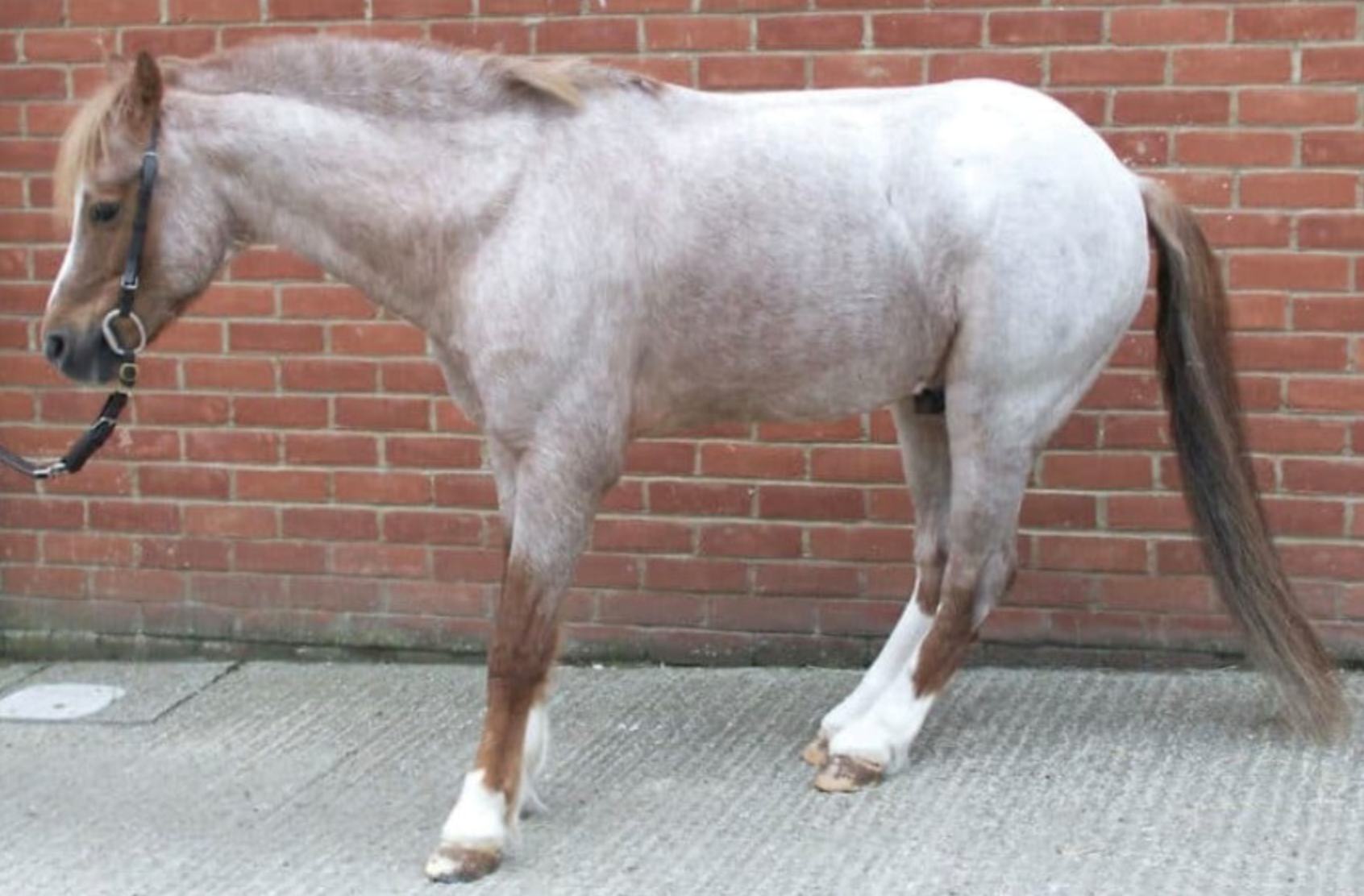
- The classic 'laminitic stance' — Weight shifted back onto the hindlimbs to relieve pressure on the painful forefeet, with the front legs stretched out in front.
- Reluctance to move or walk — A laminitic horse will often be reluctant to walk, particularly on hard or uneven ground, and may appear pottery or short-striding.
- Increased digital pulses — A bounding pulse felt at the back of the fetlock is a hallmark sign of laminitis and indicates inflammation within the foot.
- Heat in the hooves — The affected feet may feel warm or hot to the touch compared to normal.
- Pain on hoof testers — Pressure applied across the sole — particularly over the toe — will typically cause a pain response.
- Rings on the hoof wall — In horses with chronic or recurrent laminitis, divergent growth rings on the hoof wall (wider at the heel than the toe) can be a sign of previous episodes.
If you suspect your horse has laminitis, contact your vet immediately. Remove the horse from pasture, restrict movement, and provide deep, supportive bedding such as shavings while you wait for your vet to arrive. Do not trot the horse out to assess lameness.
How Is Laminitis Diagnosed and Treated?
Our vets will carry out a thorough clinical examination, assessing the degree of pain, digital pulses, and hoof temperature. Radiographs (X-rays) of the feet are often recommended to evaluate the position of the pedal bone and assess whether rotation or sinking has occurred — this information is vital for guiding farriery and treatment decisions.
Treatment for an acute laminitis episode typically includes:
- Pain relief — Non-steroidal anti-inflammatory drugs (NSAIDs) such as phenylbutazone (‘bute’) are used to reduce pain and inflammation.
- Box rest with supportive bedding — Deep bedding — ideally shavings — supports the entire sole and reduces pressure on the laminae. Movement should be restricted to an absolute minimum during the acute phase.
- Immediate dietary management — Removal from pasture and strict restriction of all sugary or starchy feed. Hay should be soaked for several hours to reduce its sugar content.
- Corrective farriery — Working closely with your farrier, our vets will advise on appropriate trimming or shoeing to support the pedal bone and relieve painful pressure on the sole of the foot.
- Investigation and treatment of underlying cause — Blood tests to check for EMS or PPID are an important part of managing recurrent or unexplained laminitis. Treating the root cause is essential to preventing further episodes.
Managing the Laminitis-Prone Horse Long Term
For horses and ponies that have had one episode of laminitis, the risk of recurrence is significant. Long-term management is focused on addressing the underlying cause and reducing future risk:
- Weight management — Achieving and maintaining a healthy body condition score is one of the most important things you can do. Our vets can advise on appropriate diet and grazing restrictions.
- Grazing management — Strip grazing, a grazing muzzle, or a bare paddock during high-risk periods (spring flush and after autumn rain) can all significantly reduce pasture intake in susceptible animals.
- Testing for PPID — We recommend ACTH blood testing for any horse over 10 years of age with recurrent laminitis. PPID is manageable with medication (pergolide), and treatment dramatically reduces laminitis risk.
- Regular farriery — Consistent, appropriate hoof care is essential for laminitis-prone horses. We work closely with farriers to ensure trimming and shoeing supports long-term hoof health.
Avonvale Cushingoid Horse Health Scheme (click for more information): If your horse has been diagnosed with PPID (Cushing's disease), our dedicated health scheme provides structured, cost-effective ongoing care including seasonal ACTH testing and pergolide prescriptions. Ask our team for details.
Laminitis at Avonvale Equine
Our experienced equine vets are well placed to help with all aspects of laminitis management, from emergency assessment and pain relief through to long-term endocrine investigation and dietary support. We understand how distressing a laminitis diagnosis can be, and we are committed to working with you and your farrier as a team to give your horse the best possible outcome.
If you are concerned your horse may be showing signs of laminitis, please do not hesitate to call us. Early treatment always gives the best results.
Contact Us
Phone: 01295 670501
Email: reception@avonvaleequine.co.uk
Address: The Churns, Home Farm Drive, Upton, Banbury, OX15 6HU
Office hours: Monday to Friday, 8:30am – 5:00p








.jpg)